Voice cloning by AIVoiceGen
Creates realistic cloned voices from audio samples for dubbing, content creation, and accessibility.
Are you the owner?
Claim this tool to publish updates, news and respond to users.
Sign in to claim ownership
Sign InDescription
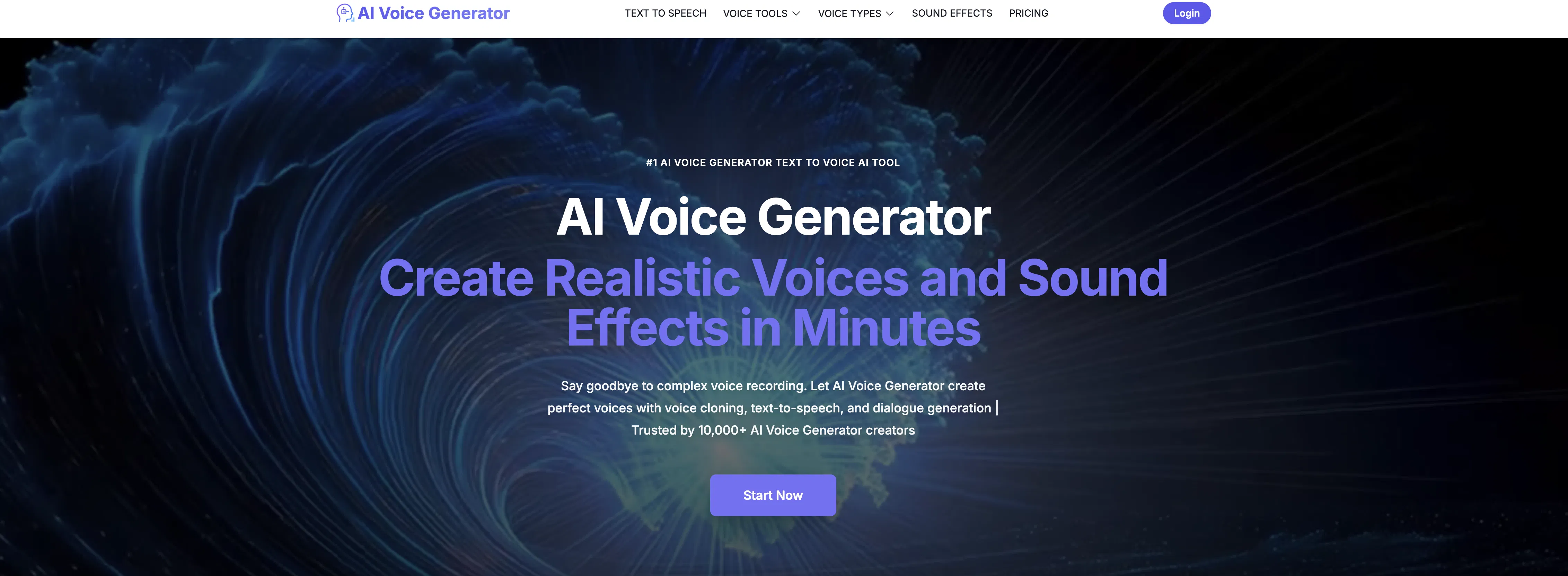
Voice cloning by AIVoiceGen is an advanced online platform that enables users to synthesize and replicate human voices with high fidelity. Developed by the AIVoiceGen team, its core value lies in democratizing professional-grade voice synthesis, allowing anyone from individual creators to businesses to generate custom, natural-sounding speech without requiring the original speaker for every recording session. This technology transforms a short sample of a person's voice into a versatile digital asset.
Key features: The tool can clone a voice from just a few minutes of clear audio input, producing a model capable of generating new speech in that voice. It supports multiple languages and accents, allowing for localized content creation. Users have fine-grained control over speech parameters like tone, pitch, speed, and emotional inflection (e.g., happy, sad, excited). The platform includes a text-to-speech engine that uses the cloned voice to read any provided script, and it offers batch processing for generating long-form audio such as audiobooks or training materials efficiently.
What makes it unique is its focus on achieving a balance between accessibility and output quality, offering a user-friendly web interface that requires no technical expertise. Under the hood, it utilizes deep learning models based on architectures like Tacotron and WaveNet for mel-spectrogram generation and waveform synthesis, ensuring natural prosody and clarity. It operates as a cloud-based service, accessible from any modern browser, and provides API access for developers looking to integrate voice cloning capabilities directly into their own applications, websites, or automated workflows.
Ideal for content creators needing consistent voiceovers for videos and podcasts, e-learning developers creating narrated courses, game developers generating character dialogue, and marketers producing personalized audio ads. It is also valuable for accessibility projects, such as creating a synthetic voice for individuals at risk of losing their speech, and for dubbing studios seeking to localize media efficiently while preserving the original actor's vocal characteristics.